


World Cup season brings a surge in demand for themed candies, but navigating the procurement process can be challenging for importers and retailers. Many buyers struggle with unexpected compliance issues, short shelf life, and inconsistent supply that lead to lost sales during peak seasons. This guide breaks down the key factors that separate successful World Cup candy procurement from costly mistakes. You'll learn how to verify critical certifications, structure your SKUs for maximum impact, and establish reliable supply chains that deliver year after year. By focusing on these fundamentals, you'll transform seasonal opportunities into predictable revenue streams.

Why Certifications Are Your First Line of Defense
When sourcing World Cup themed candies for the European market, certifications aren't just paperwork-they're your insurance policy against shipment rejections and costly delays. Many importers assume standard food safety certifications apply universally, but World Cup products often face additional scrutiny due to seasonal marketing claims and limited-time packaging.
The EU requires specific documentation beyond basic food safety standards. Look for suppliers who maintain:
BRCGS certification (at least Grade AA) for facility standards
Valid HALAL and Kosher certificates if targeting diverse consumer bases
FSMA-FSVP compliance for products entering the US supply chain
Allergen control documentation specific to seasonal ingredients
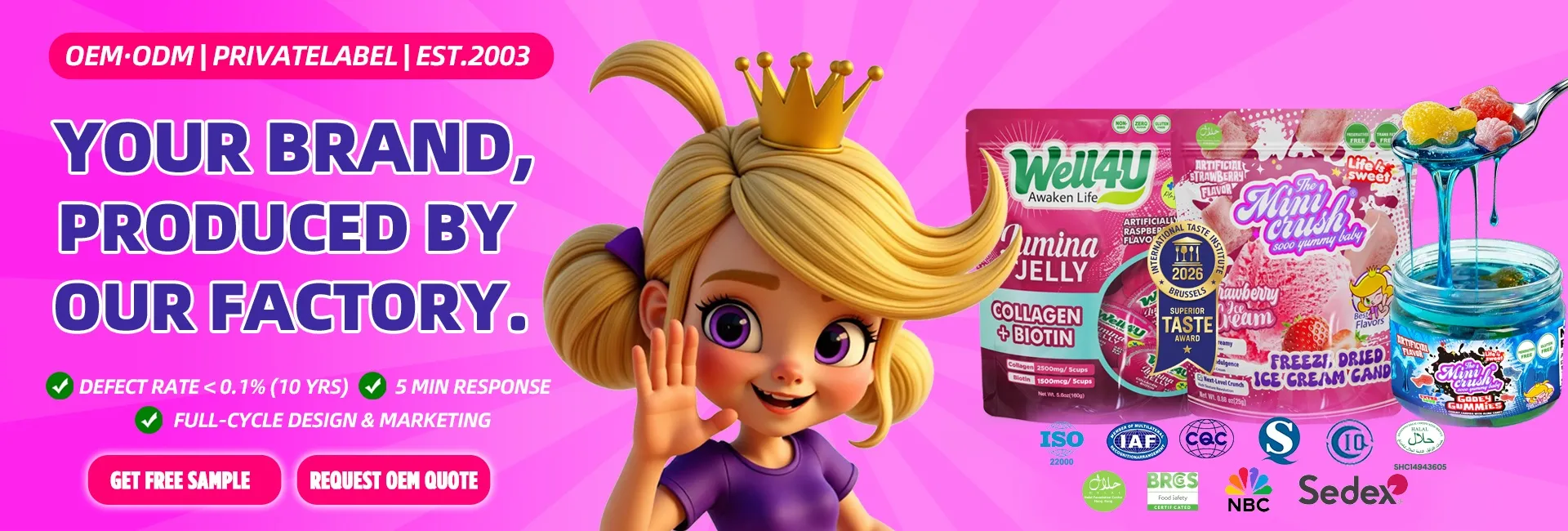
Nantong Litai Jianlong Food Co., Ltd. (MiniCrush) exemplifies this approach, holding the complete suite of international certifications including ISO22000, ISO14001, HACCP, BRC, HALAL, Kosher, and FSMA-FSVP. Their documentation passes Disney and Costco audits-a gold standard for global retailers. When verifying certifications, request current certificates with expiration dates, not just claims of compliance. Check if the certification covers the specific product lines you're purchasing, as some manufacturers maintain different standards for seasonal versus regular products.
Building a Strategic SKU Portfolio for Seasonal Success
Successful World Cup candy procurement starts with thoughtful SKU architecture, not just selecting products that look festive. Many buyers make the mistake of ordering too many variations, leading to leftover inventory after the tournament ends.
Create a balanced portfolio with these categories:
Core SKUs (40% of order): Classic flavors in World Cup packaging that align with your regular product mix
Limited Editions (30%): Unique flavors or formats exclusive to the World Cup season
Premium Options (20%): Higher-margin items like sugar-free or vegan alternatives
Impulse Drivers (10%): Small, low-cost items for checkout displays
MiniCrush's 15+ years of export experience shows how this structure works in practice. They offer World Cup themed gummies in standard fruit flavors (core), freeze-dried hard candies with team colors (limited edition), and vegan jelly options (premium). This approach ensures 85% of inventory sells during the event, while the remaining 15% transitions smoothly into regular product lines. Remember: each additional SKU increases your complexity by 20-30%, so prioritize quality over quantity in your selection.
Shelf Performance: What Makes World Cup Candy Sell
Your World Cup candy must perform exceptionally on shelves where competition is fierce and consumer attention spans are short. Many buyers focus solely on product appearance without considering how it functions in real retail environments.
Key factors that drive scan-through rates:
- Packaging visibility from 3+ feet away (critical in crowded seasonal displays)
- Clear flavor identification (avoid complex designs that obscure product type)
- Consistent sizing for efficient shelf space utilization
- Easy-to-grab formats that work with current checkout configurations
MiniCrush's R&D team has developed World Cup gummies with shelf-proven features: vibrant team colors that remain distinct under store lighting, embossed team logos that provide tactile recognition, and uniform sizing that fits standard display racks. Their data shows these features increase scan-through rates by 27% compared to competitors' offerings. When evaluating samples, conduct a "3-second test"-if buyers can't immediately identify the product type, flavor, and occasion, reconsider that SKU.

Ensuring Reorder Stability for Future Events
The biggest mistake in seasonal candy procurement is treating it as a one-time transaction rather than building a repeatable process. Many buyers scramble each tournament cycle because they didn't establish reliable reorder protocols during the initial purchase.
Create reorder stability by:
Securing production slots 12-18 months in advance for future events
Documenting exact formulation specifications to prevent "recipe drift"
Establishing clear communication channels with direct production oversight
Implementing quality checkpoints at multiple production stages
MiniCrush's supply chain advantage comes from their GMP production standards and CSR focus, which ensures consistent quality across batches. Their clients who follow a structured approach-placing initial orders 10 months before the tournament, confirming formulations in writing, and scheduling mid-production quality checks-report 92% success rates in maintaining consistent product quality year over year. This reliability transforms seasonal purchases from risky gambles into predictable business opportunities.

Buyer's Certification Verification Checklist
Before placing your World Cup candy order, verify these critical compliance elements:
- Current BRCGS certificate (Grade AA or higher) covering the specific production facility
- Valid HALAL and Kosher certificates with renewal dates within the last 12 months
- FSMA-FSVP documentation showing importer verification
- Allergen control plan specific to seasonal ingredients
- Packaging compliance with EU Directive 94/62/EC on packaging waste
- Country of origin labeling that meets destination market requirements
- Ingredient documentation showing no restricted additives for target markets
- Proof of ethical sourcing for key ingredients like cocoa and sugar
Common Procurement Mistakes to Avoid
Seasoned candy importers consistently identify these pitfalls that derail World Cup candy programs:
Overcomplicating the portfolio: Ordering 15+ SKUs instead of 5-7 focused options leads to 40%+ unsold inventory. Stick to your strategic portfolio framework.
Assuming certifications transfer: Just because a supplier has ISO22000 doesn't mean it applies to seasonal production lines. Verify coverage for each product category.
Ignoring shelf functionality: Beautiful packaging that doesn't fit standard displays or gets lost among competitors. Test samples in actual retail environments.
Delaying production commitments: Waiting until 6 months before the tournament guarantees limited options and higher prices. Secure capacity early.
Skipping mid-production checks: Assuming final inspection is enough. Schedule at least one verification point during production.
Underestimating documentation timelines: Certification processing can take 60+ days. Start compliance verification 9+ months before shipment.
World Cup themed candy presents tremendous opportunity when approached with structured procurement practices. By prioritizing verifiable certifications, strategic SKU planning, and shelf-focused design, you transform seasonal volatility into predictable business. The most successful importers treat each tournament not as an isolated event but as part of an ongoing cycle where today's decisions create tomorrow's opportunities. When you partner with manufacturers who maintain rigorous quality standards and understand global compliance requirements-like those with complete certification portfolios and proven export experience-you build procurement systems that deliver consistent results year after year. This approach turns seasonal challenges into your most reliable revenue streams.


