

1.Chocolate Candies
Chocolate contains cocoa butter, which has a relatively low melting point. When subjected to the freeze-drying process, the rapid changes in temperature and pressure can cause the cocoa butter to separate or crystallize irregularly, resulting in a loss of the smooth texture and flavor that chocolate is known for. The chocolate may become grainy or develop an off-flavor, ruining its quality.
2. Soft and Creamy Candies
Candies like caramels, fudges, and nougats have a soft and creamy texture due to their high sugar and fat content. Freeze drying can cause these candies to lose their shape and become a sticky or gooey mess. The structure of the candy collapses as the moisture is removed, and they do not retain their original form or texture, making them unappetizing.
3. Candies with High Moisture Content
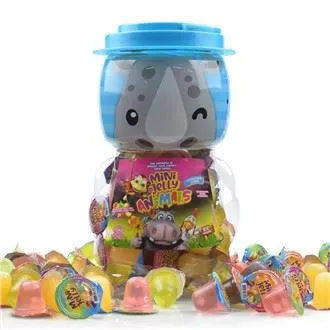
Gummies and jelly candies that have a high water content are not ideal for freeze drying. Although the process aims to remove moisture, these candies may not freeze dry evenly, leading to a tough and chewy exterior while the interior remains moist or even spoils. The resulting product may have an inconsistent texture and a reduced shelf life compared to properly freeze-dried items.
4. Candies with Delicate Fillings or Coatings
Some candies have fillings such as fruit jams, creams, or liquid centers, or they may be coated with a thin layer of sugar or other substances. Freeze drying can cause the fillings to expand and burst out of the candy shell, or the coatings to crack and flake off. This damages the integrity of the candy and affects its appearance and taste.
5. Candies with High Air Content
Marshmallows and other candies that are aerated or have a lot of air incorporated into their structure may not freeze dry well. The air pockets can cause the candy to expand uncontrollably during the process, resulting in a distorted shape and a texture that is less than desirable. Additionally, the removal of moisture can make the candy overly brittle and prone to crumbling.