


Sourcing clean-label gummy salad is tougher than it looks. Buyers often face hidden risks like unclear ingredient lists or inconsistent certifications, leading to costly recalls or lost shelf space. This guide cuts through the noise, showing you exactly how to verify suppliers and build a stable, repeatable buying process. Forget guesswork-we focus on what actually matters for your long-term success. Let's get you sourcing with confidence.
What Buyers Validate First: Ingredient Transparency as Your Starting Point
When you're evaluating a gummy salad supplier, skip the flashy marketing and start with the basics: the ingredient list. Clean-label isn't just a buzzword-it means no artificial colors, flavors, or preservatives. Buyers often rush this step, assuming "natural" claims are enough. But that's risky. Real transparency means seeing every component, like fruit purees instead of synthetic dyes, or plant-based pectin replacing gelatin. For example, a reliable supplier will openly share if their gummy salad uses real aloe vera juice instead of vague "natural flavors." Always ask for full ingredient documentation upfront. If they hesitate or provide incomplete lists, walk away. This first check filters out 80% of unreliable partners and prevents compliance headaches later. Remember, your store's reputation hinges on what's inside the package, not the label's promises.
Compliance Clarity: Certifications That Actually Matter
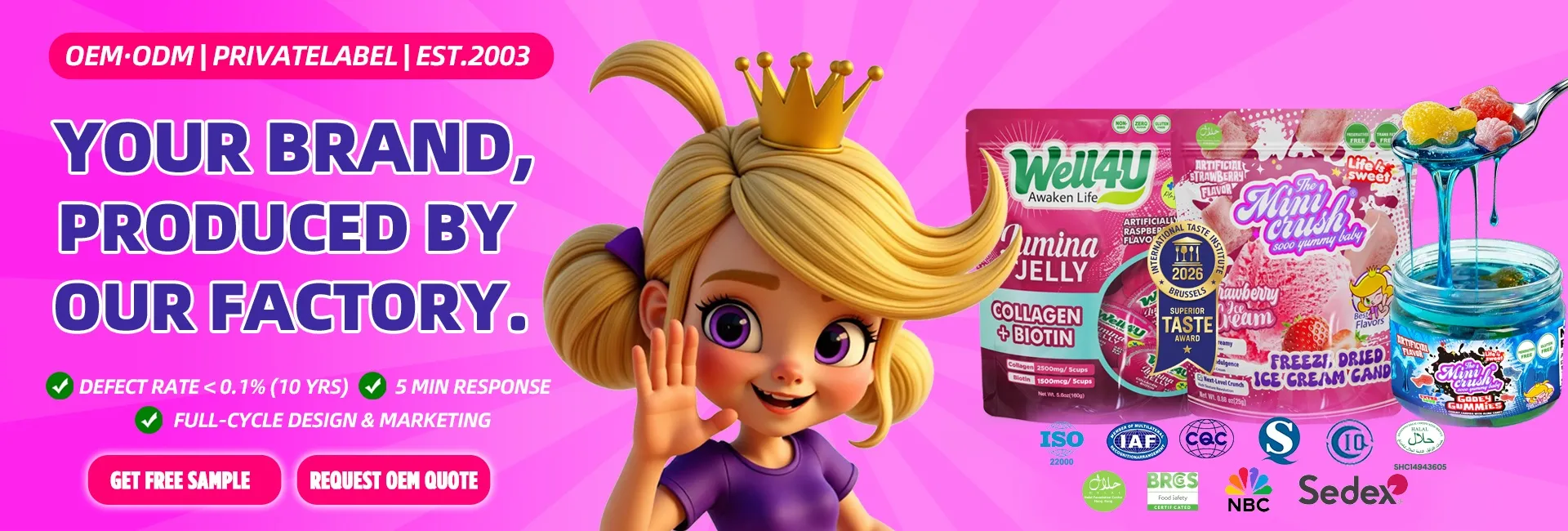
Clean-label sourcing isn't optional-it's enforced by strict regulations. Buyers waste time chasing unnecessary paperwork while missing critical certifications. Focus only on what protects you: globally recognized standards like ISO22000 for food safety and HACCP for hazard control. These aren't just stamps; they prove the supplier follows rigorous processes from raw materials to finished goods. For gummy salad, certifications like HALAL or Kosher might also apply depending on your region, but prioritize core ones first. Request audit reports, not just certificates. A trustworthy supplier provides these instantly, showing they've passed third-party checks (e.g., Disney or Costco audits). Avoid suppliers who can't explain how their certifications cover clean-label specifics, like verifying non-GMO ingredients. Clear compliance isn't about having every badge-it's about having the right ones documented simply, so you can move fast without legal surprises.
Reorder Stability: Building a Partnership for Consistent Supply
Nothing hurts your business like running out of stock because your supplier can't deliver. Reorder stability starts with understanding their production capacity and flexibility. Buyers often fixate on initial samples but ignore how well a supplier handles repeat orders. Look for partners with strong export experience-like companies operating for 15+ years-who've proven they can scale without quality drops. Check if they use GMP (Good Manufacturing Practice) standards, which ensure batch-to-batch consistency. Also, assess their raw material sourcing; suppliers using high-quality, traceable ingredients (e.g., real fruit extracts) avoid shortages that disrupt your timeline. A simple test: ask how they handle seasonal demand spikes. If they offer flexible MOQs (Minimum Order Quantities) without compromising on clean-label specs, that's a green light. Stable suppliers communicate proactively about delays, turning potential crises into smooth transitions. This reliability means you restock confidently, keeping your shelves full month after month.
Product Assortment Strategy: Simplifying Your SKU Portfolio
Too many buyers drown in complex product lines, ordering dozens of SKUs only to end up with dead stock. For clean-label gummy salad, a smart assortment strategy focuses on versatility without overload. Start small: offer core variants like fruit-based or vegan options that cover broad customer preferences. Avoid niche flavors (e.g., "spicy mango") unless you've validated demand-these often sit unsold. Instead, prioritize SKUs with clear differentiation, such as sugar-free or gelatin-free versions, which appeal to growing health-conscious shoppers without complicating your lineup. A supplier with comprehensive categories (like jelly, gummy candy, and healthy alternatives) can support this by providing cohesive ranges. Test with 3–5 SKUs max initially. Track sales velocity: if one variant sells out fast while others linger, adjust quickly. This lean approach minimizes inventory risk and maximizes turnover, letting you invest in winners rather than clearing clutter.
Shelf Performance: Designing for Real-World Retail Impact
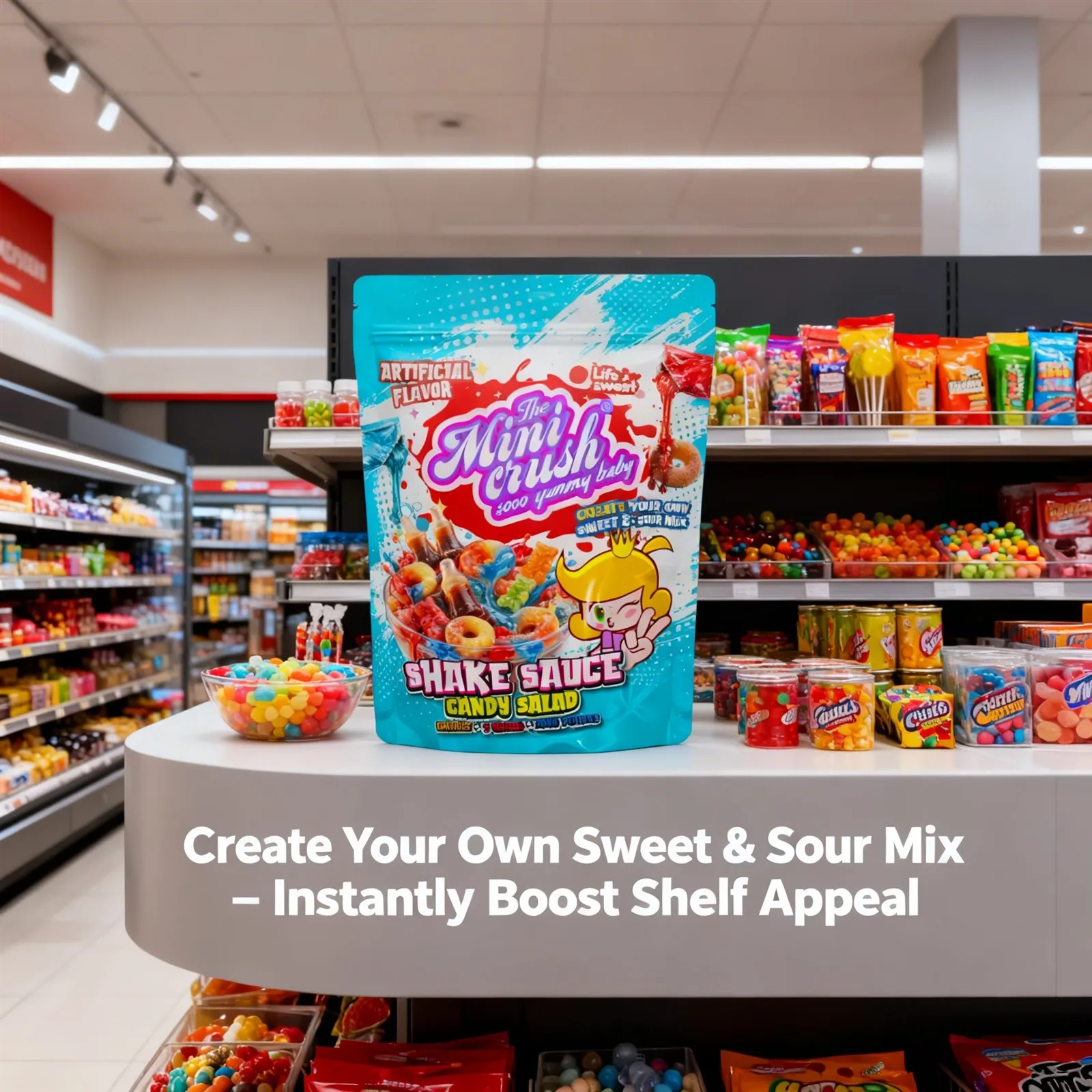
Your gummy salad must grab attention and stay fresh from delivery to checkout. Buyers overlook how packaging and presentation directly affect sales velocity. For clean-label products, prioritize shelf-stable packaging that preserves integrity-like moisture-resistant wrappers that prevent stickiness. Avoid flimsy materials; they lead to damaged goods and customer complaints. Also, ensure labels are crystal clear: ingredient lists should be legible (no tiny fonts), with clean-label claims like "no artificial additives" highlighted prominently. This isn't just about looks-it reduces confusion at the shelf, speeding up purchase decisions. Test display efficiency by simulating store conditions: how does the product hold up after a week in warm lighting? Partner with suppliers who optimize for retail realities, not just lab specs. When your gummy salad stays vibrant and intact, it earns prime shelf space and repeat buys, turning first-time shoppers into loyal fans.

Use this quick-reference list before finalizing any supplier:
Ingredient Proof: Full, unambiguous list shared in writing-no vague terms like "natural flavors."
Certification Validity: Copies of active ISO22000, HACCP, and relevant regional certs (e.g., HALAL), with audit dates visible.
Sample Consistency: Three consecutive batches match in taste, texture, and appearance.
Reorder Terms: Clear communication on lead times, MOQ flexibility, and contingency plans for delays.
Packaging Test: Product survives 7 days under simulated store conditions (heat, light, handling).
Documentation Speed: Supplier provides compliance files within 48 hours of request.
Overcomplicating SKUs: Launching 10+ flavors at once ties up capital in slow movers-start with 3 core options.
Ignoring Batch Records: Skipping verification of production logs leads to inconsistent quality and failed compliance checks.
Trusting Verbal Promises: Assuming "clean-label" without written proof causes recalls; always demand paper trails.
Neglecting Shelf Testing: Ordering bulk without real-world display trials results in damaged goods and lost sales.
Prioritizing Price Over Proof: Choosing cheaper suppliers who lack certifications creates hidden costs from rejections.
Sourcing clean-label gummy salad successfully isn't about finding the cheapest deal-it's about building a repeatable system rooted in transparency and trust. When you prioritize clear compliance, simple assortments, and stable partnerships, you turn procurement from a headache into a strategic advantage. Products with verified clean-label integrity don't just meet regulations; they earn customer loyalty and steady sales, making your reorders effortless and profitable. Focus on structure, not shortcuts, and you'll create a pipeline that works for years, not just one season.


