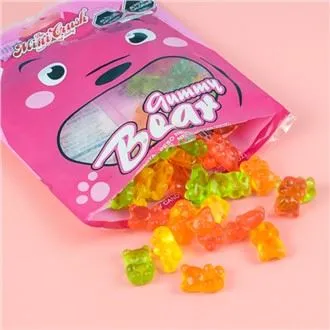


Discover the fascinating history and transformative process behind freeze-dried candy, a method of preserving food by removing its water content. General Foods Corporation pioneered this innovation in 1964. Let’s delve into how freeze-drying works, its benefits in preserving taste, texture, and nutritional value, and its widespread use in fruit, vegetable, meat, and candy preservation.
Section 1: The Invention of Freeze-Dried Candy
In 1964, General Foods Corporation revolutionized the confectionery industry by introducing freeze-dried candy. This preservation technique involved removing water content from the food, thereby preserving its original structure and important nutrients.
Section 2: The Freeze-Drying Process Unveiled
The freeze-drying process unfolds through carefully orchestrated steps, ensuring the preservation of the candy’s desired characteristics and extending its shelf life. Let’s explore each phase:
Freezing: Initially, the candy is subjected to ultra-low temperatures below -40°C (-40°F), significantly reducing the rate of degradation and maintaining its structure and nutrient composition.
Vacuum Chamber: The frozen candy is then placed within a sealed vacuum chamber, creating a low-pressure environment. This vacuum negates the need for the water to pass through the liquid phase during the drying process.
Sublimation: The temperature within the chamber gradually increases, causing the frozen water in the candy to undergo sublimation. Sublimation refers to the direct transition of water from a solid to a gas without entering the liquid phase.
Moisture Extraction: As the water turns into vapor, a vacuum pump efficiently draws it out of the chamber, effectively removing the majority of the candy’s moisture content. This step contributes to preventing the growth of bacteria and other microorganisms.
Superior Packaging: Finally, the freeze-dried candy is meticulously sealed in moisture-proof packaging, safeguarding it against reabsorption of moisture from the surrounding environment. This sealing process not only maintains the candy’s crisp texture but also ensures an extended shelf life.
Section 3: Preserving Taste, Texture, and Nutritional Value
The freeze-drying method shines in preserving the taste, texture, and nutritional integrity of the candy. By removing water while keeping the essential components intact, freeze-dried candy retains its original flavors, vibrant colors, and pleasing textures when rehydrated. Moreover, this preservation technique minimizes nutrient loss, allowing consumers to enjoy the candy with added nutritional benefits.
With the invention of freeze-dried candy by General Foods Corporation in 1964, the confectionery industry witnessed a remarkable preservation breakthrough. The freeze-drying process, involving freezing, sublimation, moisture extraction, and meticulous packaging, allows the preservation of taste, texture, and nutritional value. This technique continues to be embraced, not only for candy but also for preserving a wide array of foods. Experience the delightful and long-lasting qualities of freeze-dried candy, a testament to the ingenuity of food preservation.