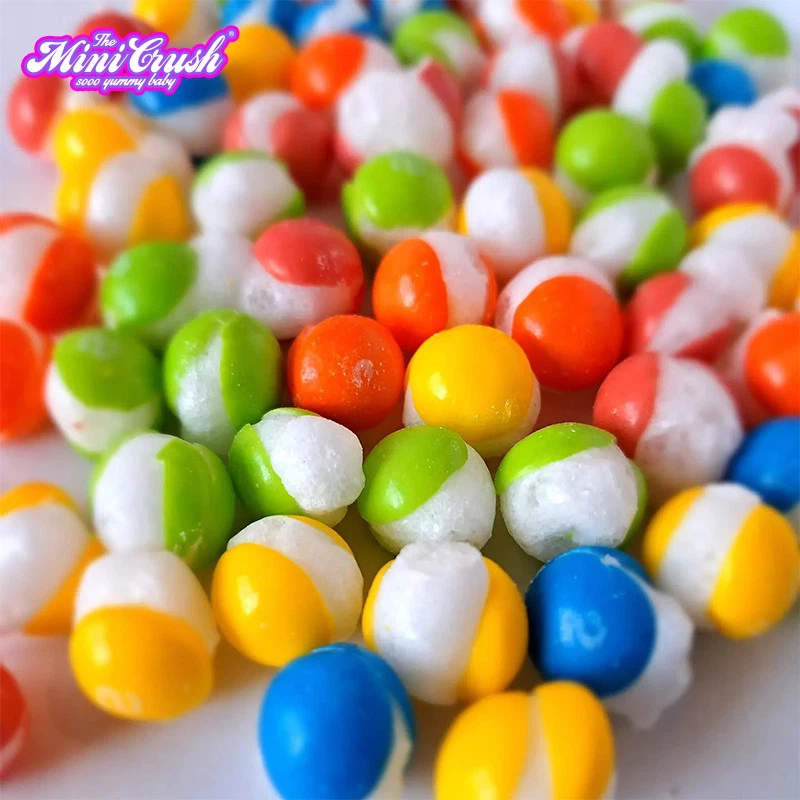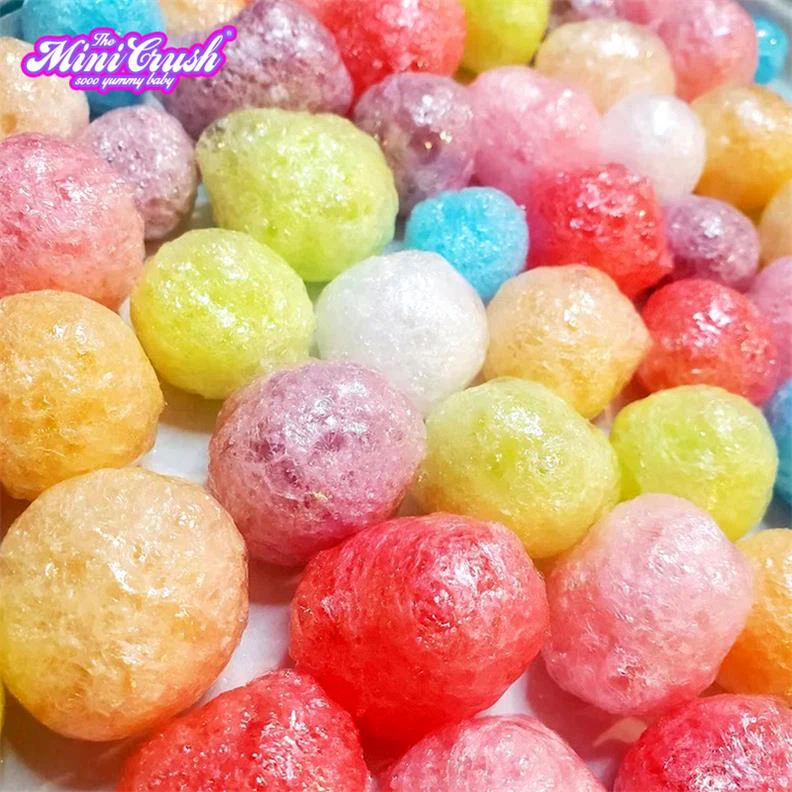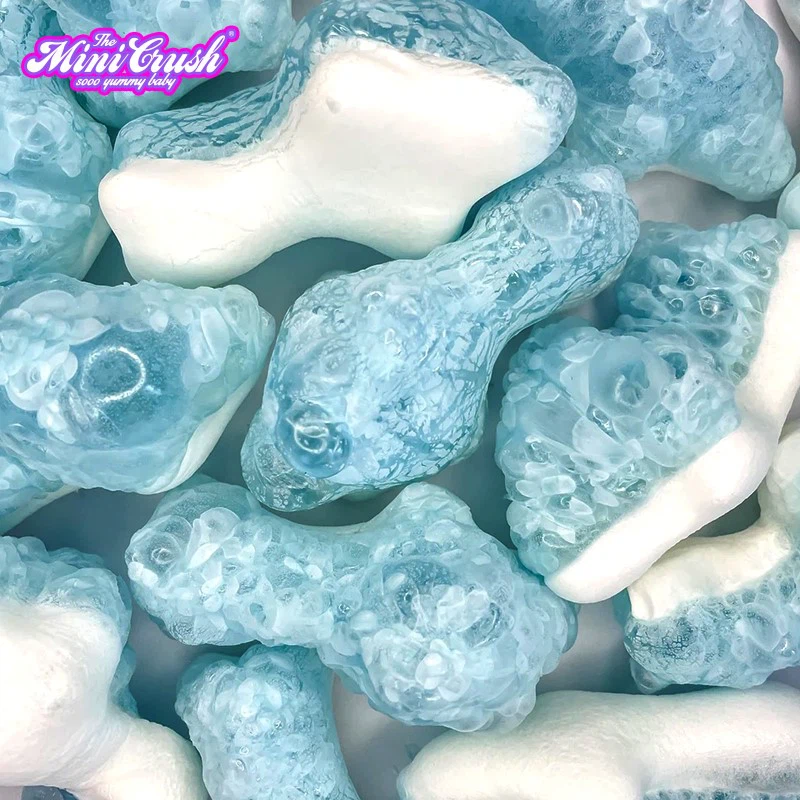


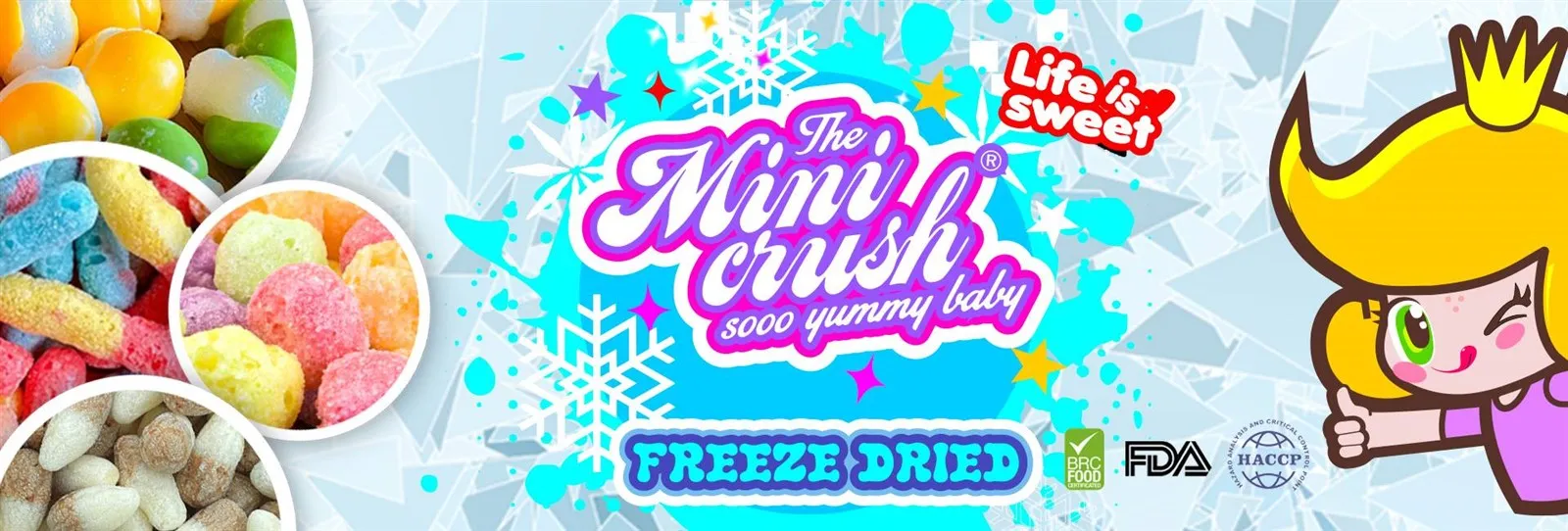
When it comes to freeze-dried candy, there is something truly magical about the way it retains its flavor and texture while still being light and crispy. But have you ever wondered exactly how freeze-dried candy is made? In this blog, we will take a deep dive into the process of creating these delightful treats and explore the science behind freeze-drying.
The first step in making freeze-dried candy is choosing the perfect fruits or candies to be used. Raspberries, strawberries, mangoes, and even gummy bears are popular choices for freeze-drying. Once the ingredients are selected, they are carefully washed and prepared for the freeze-drying process.
The next step involves freezing the candies or fruits. This is done to ensure that the moisture content is completely removed from the item before the freeze-drying process begins. The freezing process can take anywhere from a few hours to overnight, depending on the size and moisture content of the items being freeze-dried.
After the candies or fruits are frozen solid, they are placed in a freeze-dryer. The freeze-drying process involves placing the frozen items in a vacuum chamber and slowly raising the temperature. As the temperature rises, the frozen moisture in the items begins to sublimate, or turn from a solid state directly into a gas, without passing through the liquid phase. This process removes the moisture from the items while leaving their structure and flavor intact.
One of the key benefits of freeze-drying is that it preserves the natural flavor and nutrients of the ingredients. Unlike traditional drying methods, freeze-drying does not involve the use of high heat, which can destroy sensitive flavors and nutrients. This is why freeze-dried candies and fruits retain their vibrant colors, intense flavors, and nutritional value.
Once the items have been freeze-dried, they are carefully packaged to preserve their light and crispy texture. The finished freeze-dried candies can be enjoyed as a snack on their own, added to trail mix, or even rehydrated and used in cooking and baking.
The freeze-drying process can also be used to create unique and innovative candy products. For example, freeze-dried chocolate-covered strawberries or freeze-dried fruit powders that can be used to flavor drinks and desserts. The versatility of freeze-drying allows for endless possibilities when it comes to creating new and exciting candy products.
In addition to its culinary applications, freeze-drying has practical uses as well. Astronauts often consume freeze-dried fruits and candies in space due to their long shelf life and light weight. Freeze-dried candies are also popular among hikers and outdoor enthusiasts as they provide a lightweight and tasty snack for the trail.
In conclusion, the process of making freeze-dried candy is a fascinating combination of science and culinary art. By carefully selecting and preparing ingredients, freezing, and then subjecting them to the freeze-drying process, manufacturers are able to create a delicious and nutritious snack that retains the flavors and textures of the original ingredients. Whether enjoyed on its own or used in creative recipes, freeze-dried candy is a delightful treat that is sure to satisfy any sweet craving. So the next time you bite into a piece of freeze-dried candy, take a moment to appreciate the intricate process that went into creating that crispy, flavorful delight.