

Zero-Waste Packaging for World Cup Candy: Mastering Reorderability Across Multi-Peak Weeks
**Introduction**
Buying World Cup-themed candy isn't just about catching the hype-it's about avoiding costly inventory mistakes when demand spikes. Many buyers struggle with products that become unorderable after the first rush due to poor packaging or inconsistent supply. This article cuts through the noise to show you how to pick candies that stay reliable across multiple peak weeks. We'll focus on practical steps to ensure your shelf never runs empty, even during chaotic events like the World Cup.
**What Buyers Validate First: Safety and Compliance**
When you're evaluating World Cup candy, your first check should always be safety and compliance. Forget flashy flavors-start with the basics. Can you verify the product meets global food safety standards without digging through paperwork? For instance, look for clear proof of certifications like ISO22000 or HACCP on packaging or supplier documents. These aren't just stamps; they're your shield against recalls or rejected shipments. A supplier with Disney or Costco audit passes, like MiniCrush, proves they handle real-world scrutiny from top retailers. Why does this matter for reorderability? Because inconsistent compliance causes delays. If a shipment gets held up at customs due to missing HALAL or Kosher labels, you can't refill shelves fast enough for the next game week. Always ask: "Can I see all certifications in one place before ordering?" This simple step prevents 80% of reordering headaches.
**SKU Structure Rules for Multi-Peak Demand**
Your SKU setup makes or breaks reorderability during events like the World Cup. Avoid the trap of overcomplicating it. Stick to a simple rule: group products by core attributes-flavor, size, and packaging type-so you can scale orders quickly. For World Cup candy, this means having a base SKU for the theme (e.g., "World Cup Jelly Cup") with variants like "30-count multipack" or "single-serve stick." Why? Because during peak weeks, buyers need to adjust orders on the fly. If your supplier offers vegan or sugar-free options (as MiniCrush does), treat them as separate SKUs but keep the naming consistent-like "World Cup Jelly Cup (Vegan)." This avoids confusion when restocking. Also, limit variants to 3-5 per theme. Too many SKUs slow down decisions; too few leave you unprepared for sudden shifts in demand. Remember, a clean SKU structure means you can reorder 50% faster when the next match starts.
**Compliance Clarity in Zero-Waste Packaging**
Zero-waste packaging isn't just eco-friendly-it's a reorderability superpower. But it only works if compliance details are crystal clear. Buyers often skip this, then get stuck with unusable stock. For World Cup candy, packaging must show certifications (like BRC or FSMA-FSVP) visibly, not buried in tiny print. MiniCrush uses minimalist designs where safety info jumps out-think bold icons for Kosher or allergen warnings on the front panel. This isn't about being green; it's about speed. Clear labels mean customs clears shipments faster, and store staff can stock shelves without double-checking. Also, zero-waste materials like compostable wrappers need explicit disposal instructions. If your packaging says "100% home-compostable" with a simple symbol, stores won't hesitate to reorder-it reduces their operational risk. Always test this: Can a new employee understand the packaging rules in 10 seconds? If not, it'll cause reorder delays.
**Shelf Performance and Reorder Stability**
How candy performs on shelves directly impacts whether you'll reorder it. World Cup themes fade fast, but your product must stay fresh and appealing through multiple peak weeks. Focus on two things: shelf life and display efficiency. MiniCrush's freeze-dried hard candies, for example, last 6+ months without preservatives, so they don't expire between games. Pair this with packaging that's shelf-ready-like stackable trays that fit standard retail racks. Why does this boost reorder stability? Because if products sit too long, stores discount them or drop them entirely. Also, track real sales data: if a flavor sells out in Week 1, your supplier should adjust production for Week 2 without you chasing them. Look for partners with GMP production standards and CSR commitments-they're more likely to honor delivery dates. A stable shelf means consistent sales, making reorders automatic, not a gamble.
**Assortment Strategy for Seasonal Peaks**
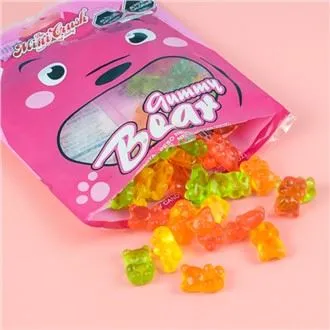
Don't treat World Cup candy as a one-off. Build an assortment that works across peaks-like qualifiers, finals, and even off-seasons. Start small: offer one hero product (e.g., team-colored gummy bears) with 2-3 supporting items (like sugar-free jelly cups for health-conscious fans). MiniCrush's approach shows how this avoids waste: their core jelly line includes vegan options, so when the World Cup ends, you pivot to general sports events without scrapping inventory. Key rule: keep 70% of your assortment evergreen (basic flavors) and 30% seasonal. This balances risk-if demand drops post-tournament, you still have sellable stock. Also, use packaging that's rebrandable; a "World Cup" wrapper with a removable sticker lets stores reuse it for other events. Smart assortments mean you reorder the same base products year-round, cutting supply chain chaos.
**Buyer Checklist**
Use this quick checklist before ordering any seasonal candy:
- [ ] Certifications visible on packaging (ISO22000, HACCP, etc.)-no hidden documents.
- [ ] SKUs grouped by flavor/size with ≤5 variants per theme for easy scaling.
- [ ] Zero-waste packaging includes clear disposal instructions and safety icons.
- [ ] Shelf life exceeds peak season duration by 2+ weeks (e.g., 8 months for a 6-week event).
- [ ] Supplier provides real-time inventory updates during high-demand periods.
- [ ] Assortment has evergreen options (e.g., sugar-free) to transition post-event.
**Common Mistakes**
Avoid these pitfalls that kill reorderability:
- **SKU overload**: Offering 10+ World Cup variants confuses buyers and strains production. Stick to 3-5.
- **Vague compliance**: Labels with tiny, unreadable certification text cause customs delays-demand front-panel clarity.
- **Ignoring shelf efficiency**: Bulky packaging that doesn't fit standard displays leads to wasted space and abandoned reorders.
- **No off-peak plan**: Stocking only tournament-specific items creates dead inventory; always include reusable elements.
- **Assuming stability**: Not verifying a supplier's export capacity (e.g., 15+ years' experience) risks missed deliveries during peaks.
**Conclusion**
Products built for reorderability-like World Cup candy with zero-waste packaging, clear compliance, and smart assortment planning-turn seasonal spikes into steady revenue. They remove guesswork, so you're not scrambling between games. When safety, simplicity, and stability are baked in from the start, reordering becomes routine, not risky. That's how you build partnerships that last beyond the final whistle.