

Buying new candy products feels risky when novelty turns into dead stock. You need fun items that fly off shelves without lingering inventory. This article cuts through the noise to show how to build gummy salad assortments that sell fast and reorder smoothly. Forget gimmicks-we focus on practical rules that prevent tail inventory while keeping buyers excited. Learn how to make playful products work for your bottom line, not against it.
What Buyers Validate First: Safety and Certifications
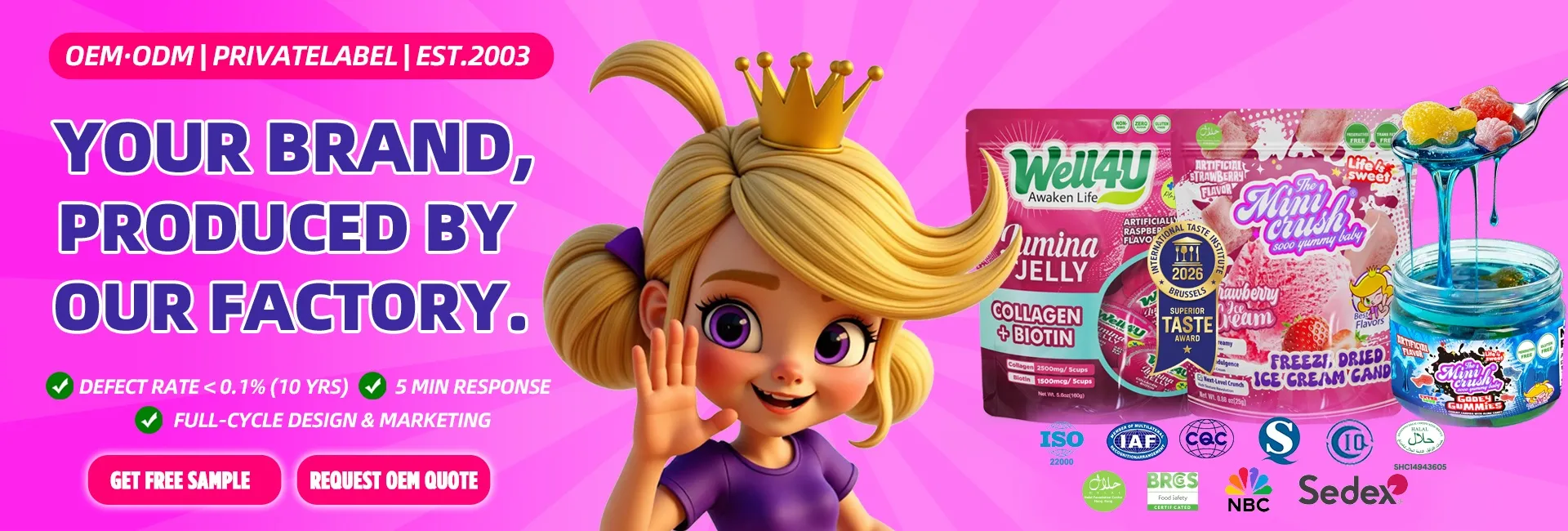
When you see a new gummy salad line, your first question isn't about flavor-it's "Is this safe to sell?" Buyers skip products with unclear certifications because recalls destroy trust. Start by checking if the supplier holds mandatory global standards like ISO22000, HACCP, and BRC. These aren't just paperwork; they prove the factory follows strict safety steps from raw materials to packaging. For example, a supplier passing Costco or Disney audits shows they meet big-retailer expectations, meaning fewer surprises for you. Also, verify Halal or Kosher labels if you serve diverse markets-missing these can block shelf space. Don't guess: ask for the latest audit reports upfront. If certifications feel like an afterthought, walk away. Safe products mean confident reorders.
SKU Structure Rules: Keep It Simple, Not Complicated
Too many SKUs kill candy sales. Imagine launching a gummy salad with 20 flavors-only 3 sell well, leaving you stuck with slow-movers. Instead, cap your core assortment at 5-7 SKUs. Group them by clear themes like "Fruit Medley" (strawberry, mango, pineapple) or "Sour Blast" (lemon, lime, raspberry). This helps shoppers grab what they know without confusion. Test new ideas as limited editions-say, a seasonal watermelon flavor for summer-but tie them to a fixed end date. If it flops, you stop production fast. Always pair each SKU with a best-seller; for instance, bundle a novel spicy-gummy salad with your top-selling fruit version to share shelf space wisely. Remember: every SKU must earn its spot with sales data, not just "what if" hopes.
Compliance Clarity: Labels That Sell Themselves
Fuzzy labels cost sales. Buyers hate turning away products because allergen info is buried or net weight is unclear. Your gummy salad needs front-of-pack clarity: list key details like "gluten-free," "vegan," or "no artificial colors" in bold, easy-to-read text. Back it up with full ingredient lists in English (or your market's language) matching local rules-FSMA-FSVP in the U.S. or EU regulations. If your product has alcohol (like alcoholic jelly variants), state the ABV prominently to avoid legal hiccups. Suppliers should provide digital label proofs before shipping, so you spot errors early. Pro tip: choose partners who include QR codes linking to full compliance docs-this builds trust with store auditors and shoppers alike. When labels scream "I'm ready for shelf," you skip delays and reorders happen faster.
Shelf Performance: Design for Impulse Buys
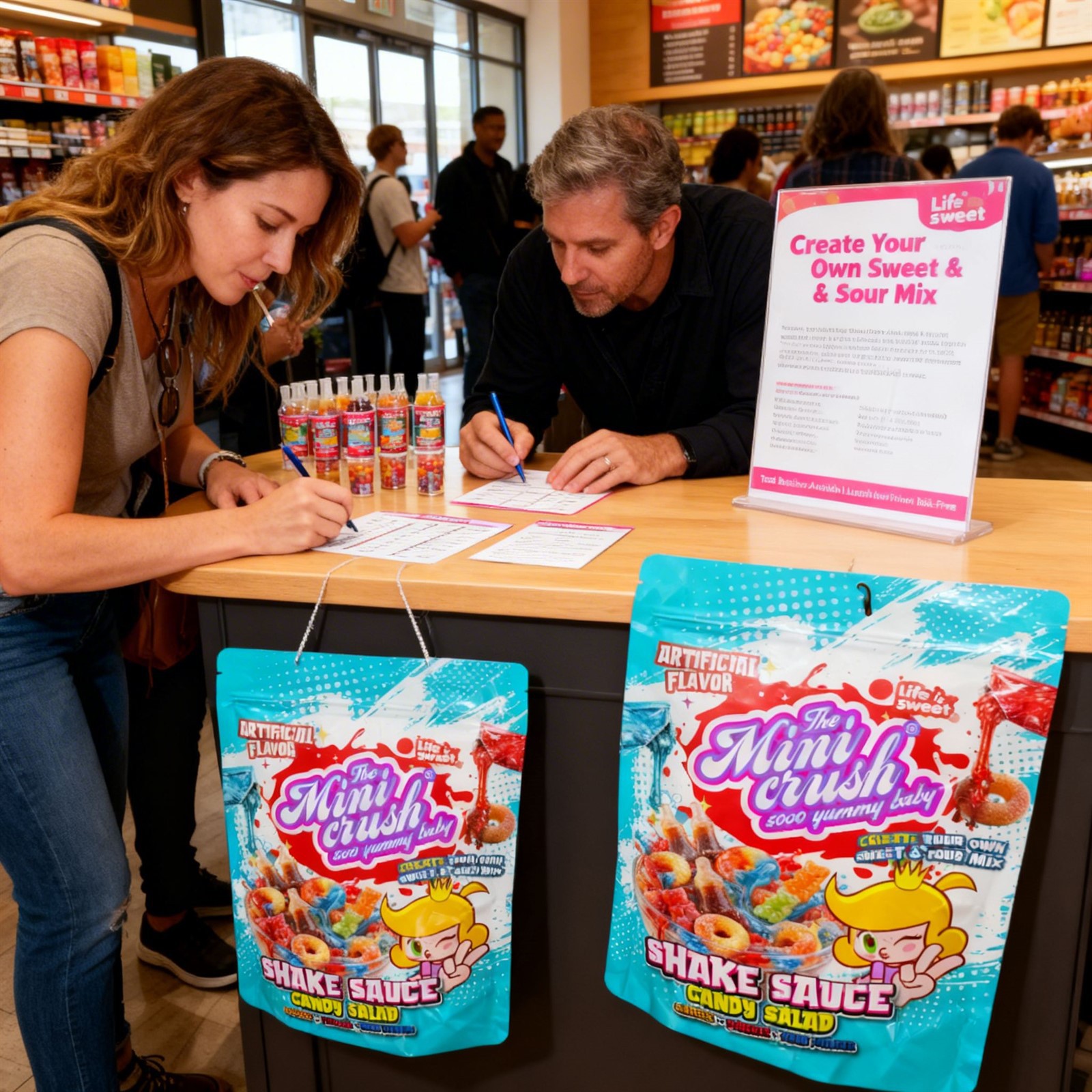
Candy lives or dies in the first 3 seconds on shelf. Gummy salad must grab eyes instantly without fancy displays. Use color-blocking: group similar shades (e.g., reds for berry flavors, greens for sour) so the display looks cohesive, not chaotic. Place novelty items like freeze-dried gummy salads next to staples-think sour gummies beside classic fruit-to lure trial without confusing regulars. Size matters too: single-serve packs (under 30g) work best for checkout lanes, while family bags (100g+) fit center-store sections. Test placements with mock shelves; if shoppers pause but don't grab, tweak the layout. Remember, high-turnover products earn more shelf space from retailers. When your gummy salad sells out weekly, stores beg for reorders-no push needed.
Reorder Stability: Partner with Reliable Suppliers
Nothing hurts more than a hot item going dark. To ensure steady reorders, vet suppliers for real-world reliability. Check their export history-15+ years in the business and shipments to 50+ countries signal they handle demand spikes. Ask about raw material sourcing; if they use unique formulas with stable ingredient partners, you avoid flavor changes mid-season. Also, confirm production capacity: can they scale from 1 container to 10 without quality dips? Look for GMP-certified factories where CSR practices mean workers aren't cutting corners. Finally, demand reorder lead times upfront (e.g., "4 weeks for standard orders"). If a supplier hems and haws, they'll leave you stranded. Stable partners turn one-time buys into decade-long partnerships.
Assortment Strategy: Mix Novelty Without Tail Inventory
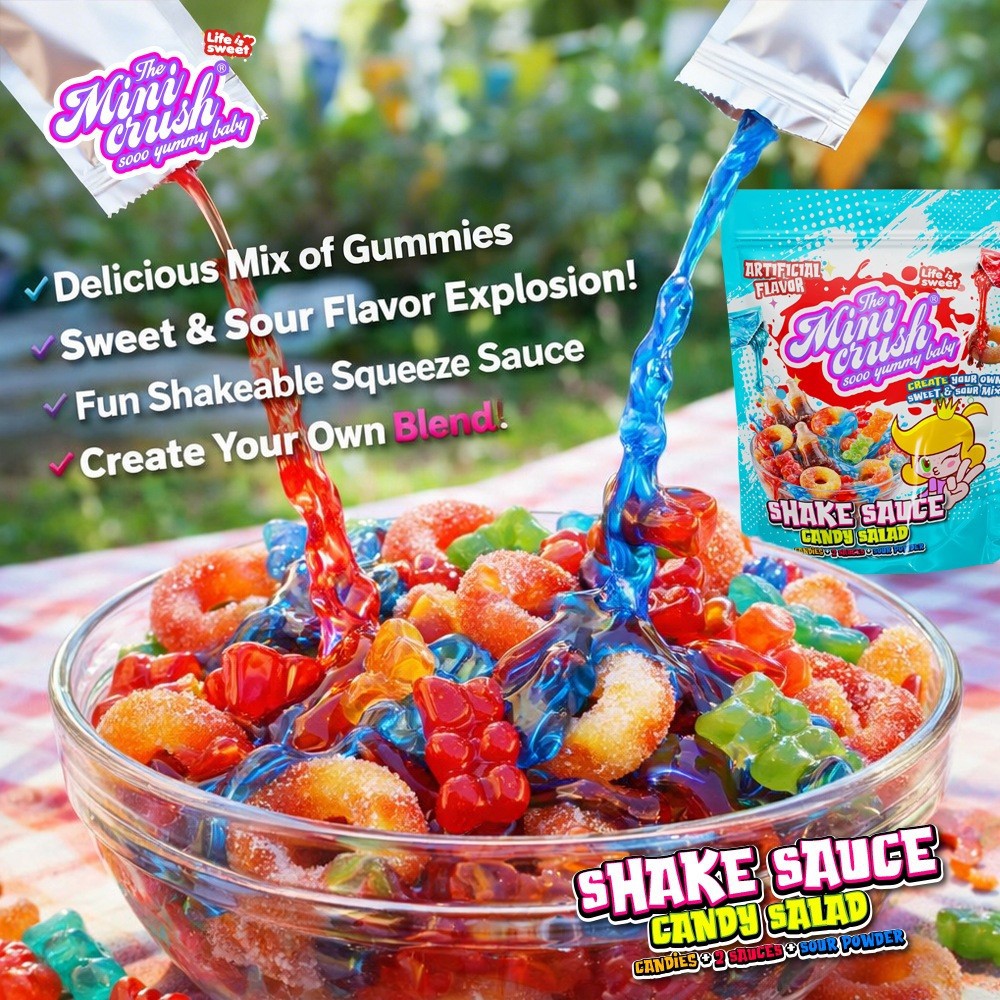
Here's where gummy salad shines: blending fun with low risk. Start with a "core + flex" model. Your core (70% of stock) is evergreen-like fruit gummy salads with proven sales. Flex items (30%) are novelty-driven: think April Fools-themed spicy mango or vegan aloe vera versions. But cap flex SKUs at 2-3 per season, and tie them to events (e.g., summer launches only). Use data: if a flex item sells 80% in 4 weeks, reorder half the quantity next time; if it lags, drop it cleanly. Avoid "zombie SKUs" by setting automatic sunset dates-no product lives past its sell-by without review. Crucially, freeze-dried innovations (like MiniCrush's patented tech) let you offer texture twists without new molds, cutting waste. Result? Shoppers stay curious, and you never drown in unsold stock.

Buyer Checklist
Use this quick guide before committing to any gummy salad order:
☑️ Certifications: ISO22000/HACCP/BRC docs provided and current
☑️ SKU Count: Core range ≤7 items; flex items ≤3 with end dates
☑️ Label Clarity: Allergens, net weight, and key claims visible at 3 feet
☑️ Shelf Test: Mock display shows clear color grouping and impulse appeal
☑️ Supplier Proof: 10+ years export history and GMP compliance verified
☑️ Sunset Rule: Automatic review for flex SKUs after 8 weeks
SKU Bloat: Launching 10+ flavors at once-only 20% will sell, creating dead stock. Stick to 5-7.
Vague Novelty: "Limited edition" with no end date turns into permanent slow-mover. Always set expiry.
Hidden Compliance: Small print on labels causes retailer rejections. Demand front-and-center details.
Ignoring Core: Chasing trends without a solid base product (e.g., classic fruit gummies) leaves no safety net.
No Data Tracking: Assuming sales without POS data leads to overstock. Review weekly velocity.
Structure is what turns playful gummy salads into reliable revenue. When you prioritize clear certifications, tight SKU limits, and smart shelf design, novelty becomes a tool-not a trap. Buyers reorder products that simplify their job: safe to sell, easy to display, and quick to rotate. Build assortments with these rules, and you'll keep shelves fresh while cutting waste. Fun that works is the only kind worth buying.